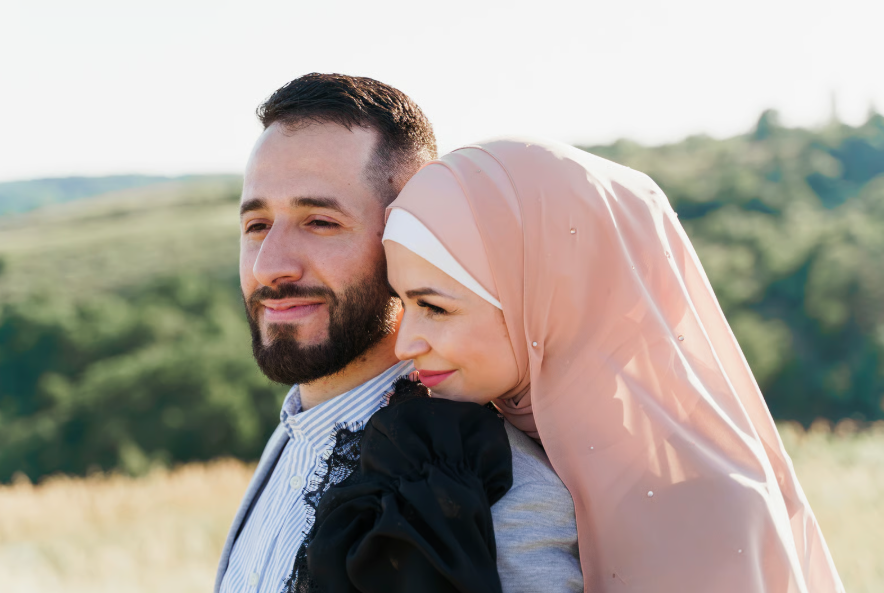
Marriage in the Zaidi tradition
Who the Zaidis are
Zaidis, sometimes called Fivers, follow Zayd ibn Ali, the grandson of Imam Husayn, who led a rising against the Umayyads in 740 CE. The community recognises a line of imams selected by knowledge and public leadership rather than by a fixed succession of twelve, which is the point at which the Zaidi and Ithna Ashari paths separate.
Zaidi Islam has been centred on the northern highlands of Yemen for more than a thousand years, and the Zaidi imamate governed parts of Yemen until 1962. Roughly a third of Yemen's population is Zaidi today, with established diaspora communities in Saudi Arabia, the Gulf, the United Kingdom, the United States and increasingly across Europe as a result of the war.
Zaidi fiqh and what it means for a marriage
In law, Zaidi fiqh sits closer to Sunni jurisprudence than any other Shia school, and the Hadawi tradition has a long history of borrowing from and arguing with Hanafi positions. Zaidis do not practise mutah, do not hold to the doctrine of the occultation, and generally pray with the arms at the sides in the manner shared with other Shia.
For a marriage, that closeness matters. A Zaidi member is often compatible in daily practice with both Twelver and Sunni families, which widens the field considerably. It also means the conversation with a prospective spouse's family is usually about custom and expectation rather than doctrine. Zowaaj lets you say what you are open to before either side invests time.
The practical problem: numbers
There is no Zaidi equivalent of a large mosque network in most Western cities. A Zaidi family in Birmingham or Michigan may know two or three other Zaidi families. Marriages are often arranged through relatives back in Yemen, which has become slower and less reliable since 2015.
This is exactly the gap Zowaaj was built to close. Matching runs across borders by default, so a Zaidi member in the UK can be introduced to compatible members in the US, Canada, Europe, Bahrain or Oman. You set the countries and the distance.
Language, custom and family expectations
Most Zaidi members speak Arabic at home, and many families keep Yemeni customs around the khitba, the mahr and the wedding itself. Some are open to marrying outside the Zaidi community, others are not. Some families expect the first approach to come through a relative rather than directly.
Zowaaj puts these preferences on the profile so they are known up front. You can state your language, your family's expectations around involvement, and whether you would consider a Twelver or Sunni spouse. It saves everybody the conversation nobody wants to have three weeks in.