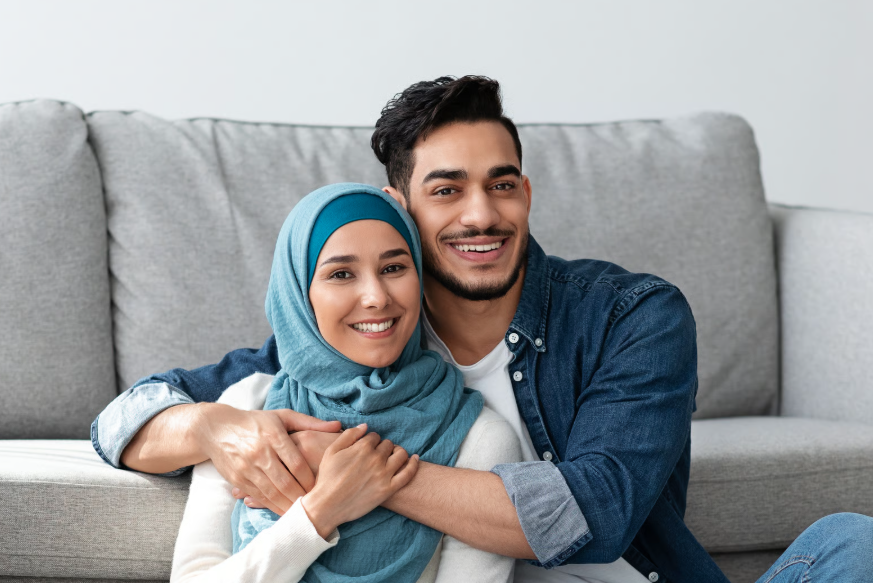
Halal courtship in plain terms
Dating is the wrong word, and that is the whole problem
In everyday English, dating means an open-ended romantic relationship with no stated destination. That is not permitted in Islam, and no amount of relabelling changes it. What Islam does permit, and in fact encourages, is a purposeful, chaperoned process of getting to know someone you are seriously considering marrying.
Scholars across both Sunni and Shia traditions agree on the core of it. You may see the person. You may speak with them about marriage, character, religion, finances, children and expectations. You may involve your families. You may take time to be sure. What you may not do is be alone with them in private, touch them, or carry on an indefinite romantic relationship with no intention to marry.
The three rules that cover almost everything
Intention. You are talking to this person because you are considering marriage. If you know you would never marry them, the conversation should not continue. This single rule removes most of what goes wrong on mainstream apps.
No khalwa. Khalwa is private seclusion between a man and a woman who are not mahram. Meet in public places or with a family member present. On a video call, keep it at a reasonable hour and consider having someone else in the house. This is not about suspicion, it is about protecting both people's reputation.
Lower the gaze, guard the tongue. Conversation stays respectful. Flirtation, sexual talk, late night chats that drift, and constant messaging that creates emotional dependency before any commitment all cause the same harm, whether they happen in a coffee shop or in a chat window.
What you should actually be asking
Couples who marry after a well run process tend to have covered the same ground: religious practice and expectations for the household, whether and when they want children, where they intend to live, work and money, how each family expects to be involved, health, previous marriages, and how each of them handles conflict.
Those conversations are not romantic, and they are the ones that matter. A month spent on them is worth more than a year of pleasant messaging that never touches anything real.
Where an app fits
There is nothing in Islamic law that requires an introduction to come from an aunt rather than an application. Matchmaking has always used intermediaries. An app is an intermediary that works at a larger scale, which matters a great deal if you are a Shia Muslim in a Western city where the pool of eligible people you will ever be introduced to is small.
The risk is not the technology, it is the design. An app built for entertainment will push you toward casual behaviour whatever the marketing says. An app built for marriage will not. Zowaaj keeps photos blurred until you choose to reveal them, verifies every member, has no casual mode, and is written to be shown to your family. You can read the full explanation on the page covering how Zowaaj stays halal.
Red flags worth taking seriously
Someone who will not tell you their family situation, who refuses to involve anyone else at any stage, who pushes for private meetings early, who avoids talking about a timeline to marriage, or whose profile details do not survive a simple check. Any one of these is a reason to slow down and involve someone you trust.
The reverse is also true. Someone who asks direct questions about your intentions in the first week is not being cold. They are treating the process seriously, which is exactly what you want.